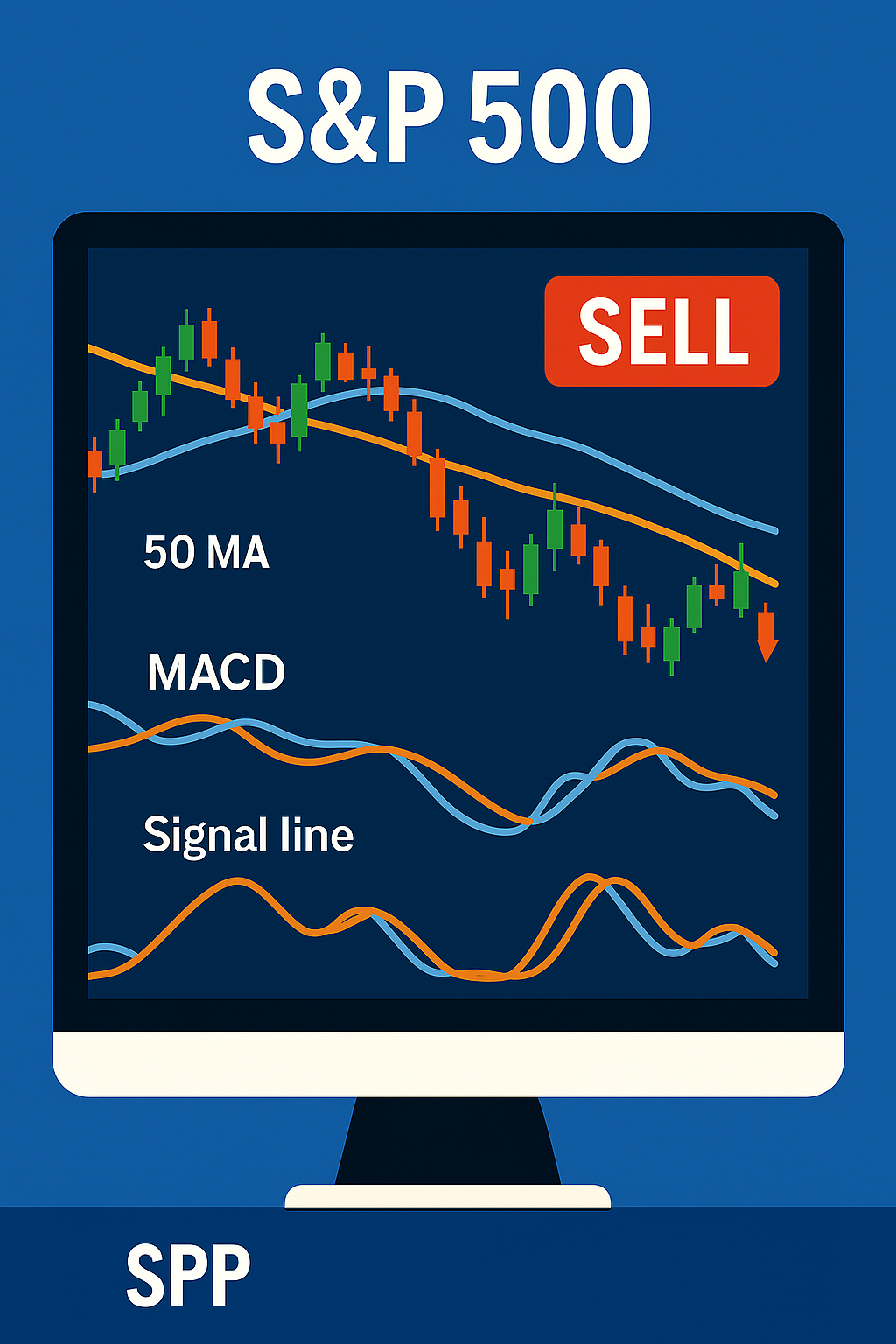
SP500 News: The Best Time to Sell
Introduction A number of variables, like market cycles, seasonal trends, and economic conditions, influence when to sell[…]
© 2026 Internet Marketing, Forex Trading and Crypto Fraud Resources
Introduction A number of variables, like market cycles, seasonal trends, and economic conditions, influence when to sell[…]
© 2026 Internet Marketing, Forex Trading and Crypto Fraud Resources
This guide serves as an essential resource for both novice and experienced traders looking to navigate the complex world of Forex trading. It covers fundamental concepts, strategies, and market analysis techniques that are critical for successful trading.
In this guide, you will find detailed explanations of key trading principles, including how to read currency pairs, the significance of pips, and the impact of geopolitical events on currency values. By understanding these concepts, traders can make informed decisions and enhance their trading performance.
Fundamental analysis is a method of evaluating currencies by examining economic indicators, news events, and overall market conditions. This approach helps traders understand the factors that influence currency movements and make predictions about future price trends.
For example, economic reports such as GDP growth, employment rates, and inflation can significantly impact currency values. Traders who utilize fundamental analysis often monitor central bank announcements and geopolitical developments to gauge potential market reactions and adjust their strategies accordingly.
Technical analysis involves analyzing historical price data and chart patterns to forecast future currency movements. This method relies on various tools and indicators, such as moving averages, RSI, and Fibonacci retracements, to identify trading opportunities.
For instance, traders may use candlestick patterns to determine market sentiment or employ trend lines to identify potential support and resistance levels. By mastering technical analysis, traders can enhance their ability to time entries and exits effectively, maximizing their profit potential.
Effective risk management is crucial for long-term success in Forex trading. It involves implementing strategies to minimize potential losses while maximizing gains. Traders must develop a solid risk management plan that includes setting stop-loss orders and determining appropriate position sizes.
For example, a common strategy is to risk only a small percentage of one's trading capital on any single trade. This approach allows traders to withstand market fluctuations without depleting their accounts. Additionally, diversifying trades across different currency pairs can further mitigate risk and enhance overall portfolio performance.
Staying updated on current trends in the Forex market is essential for traders looking to capitalize on new opportunities. Trends can be influenced by various factors, including economic indicators, political events, and market sentiment.
For instance, the rise of digital currencies and the increasing adoption of Forex trading platforms have reshaped the market landscape. Traders who keep abreast of these trends can adapt their strategies to align with market dynamics, ensuring they remain competitive and informed.
This guide serves as an essential resource for both novice and experienced traders looking to navigate the complex world of Forex trading. It covers fundamental concepts, strategies, and market analysis techniques that are critical for successful trading.
In this guide, you will find detailed explanations of key trading principles, including how to read currency pairs, the significance of pips, and the impact of geopolitical events on currency values. By understanding these concepts, traders can make informed decisions and enhance their trading performance.
Fundamental analysis is a method of evaluating currencies by examining economic indicators, news events, and overall market conditions. This approach helps traders understand the factors that influence currency movements and make predictions about future price trends.
For example, economic reports such as GDP growth, employment rates, and inflation can significantly impact currency values. Traders who utilize fundamental analysis often monitor central bank announcements and geopolitical developments to gauge potential market reactions and adjust their strategies accordingly.
Technical analysis involves analyzing historical price data and chart patterns to forecast future currency movements. This method relies on various tools and indicators, such as moving averages, RSI, and Fibonacci retracements, to identify trading opportunities.
For instance, traders may use candlestick patterns to determine market sentiment or employ trend lines to identify potential support and resistance levels. By mastering technical analysis, traders can enhance their ability to time entries and exits effectively, maximizing their profit potential.
Effective risk management is crucial for long-term success in Forex trading. It involves implementing strategies to minimize potential losses while maximizing gains. Traders must develop a solid risk management plan that includes setting stop-loss orders and determining appropriate position sizes.
For example, a common strategy is to risk only a small percentage of one's trading capital on any single trade. This approach allows traders to withstand market fluctuations without depleting their accounts. Additionally, diversifying trades across different currency pairs can further mitigate risk and enhance overall portfolio performance.
Staying updated on current trends in the Forex market is essential for traders looking to capitalize on new opportunities. Trends can be influenced by various factors, including economic indicators, political events, and market sentiment.
For instance, the rise of digital currencies and the increasing adoption of Forex trading platforms have reshaped the market landscape. Traders who keep abreast of these trends can adapt their strategies to align with market dynamics, ensuring they remain competitive and informed.